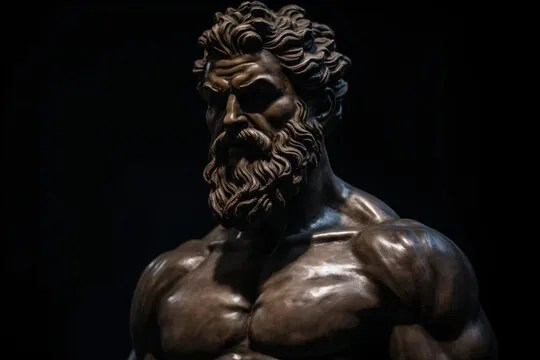
In the intricate tapestry of human existence, hardship and suffering are inevitable threads. They are woven into the very fabric of our lives, presenting themselves in various forms—personal loss, professional setbacks, physical ailments, and existential crises. While many of us instinctively recoil from these experiences, seeing them as mere obstacles to our happiness and success, the Stoic philosophers offer a radically different perspective: they propose that seeking and embracing hardships can lead to profound personal growth, virtue, and inner peace.
The Stoic perspective suggests that obstacles are not just hindrances; they are essential pathways to progress. Marcus Aurelius wrote, “The impediment to action advances action. What stands in the way becomes the way.” This insight reveals that challenges are not merely obstacles but essential for developing resilience and character.
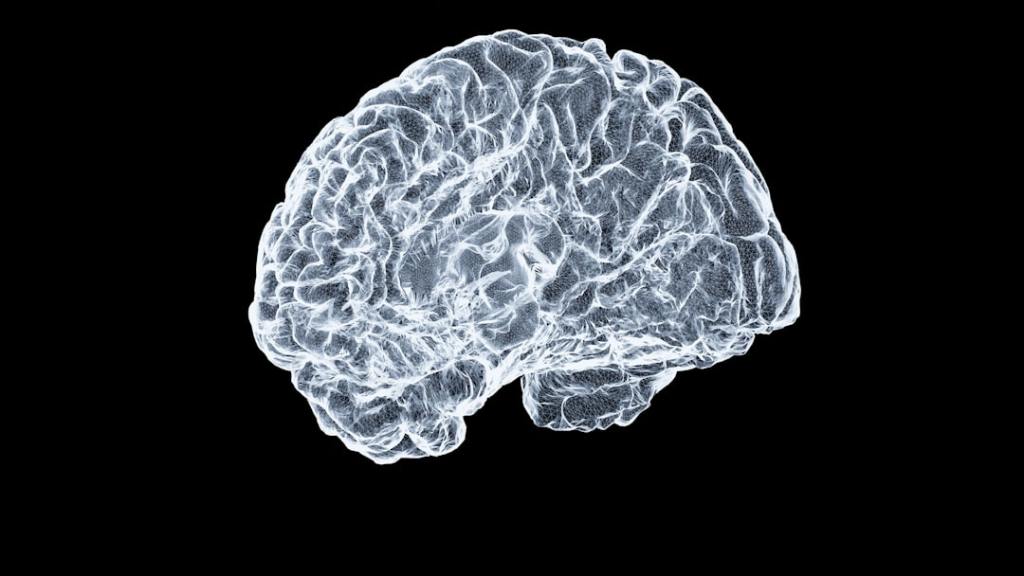
Neuroplasticity—the brain’s remarkable ability to reorganize itself by forming new neural connections—is stimulated when we voluntarily expose ourselves to challenges, enhancing our cognitive and emotional resilience. This concept is akin to the principle of hormesis in biology, where exposure to low levels of stressors or toxins can make an organism stronger and more robust.
Encountering and overcoming difficulties can forge a more resilient character. As Dr. Jordan Peterson articulates, the human psyche is designed to confront chaos and transform it into order. This transformative process transcends survival; it involves evolving into more capable, courageous, and compassionate beings. By voluntarily seeking and embracing challenges, we are training our minds to navigate the complexities and uncertainties of life with greater equanimity.
Consider the concept of voluntary discomfort, a practice championed by Stoic philosophers like Epictetus. By intentionally placing ourselves in uncomfortable or challenging situations, we develop a mental fortitude honed through direct experience. This could involve physical challenges, such as rigorous exercise or fasting, or psychological ones, such as confronting our deepest fears and insecurities. Embrace these experiences not as burdens but as opportunities for growth, virtue, and inner tranquility.
Seeking hardships can foster a deeper sense of purpose and meaning in our lives. Viktor Frankl, a psychiatrist and Holocaust survivor, observed that those who found meaning in their suffering were more resilient and better able to endure their circumstances. This search for meaning is a deeply Stoic endeavor. Recognize that while we may not control external events, we always control our attitudes and responses. Finding purpose in our struggles transforms them into catalysts for personal and collective growth.
How can we integrate this Stoic approach to hardship into our daily lives? First, cultivate a mindset of acceptance and curiosity. Instead of shying away from difficulties, approach them with inquisitiveness, asking what we can learn from these experiences. Second, practice gratitude, recognizing that each challenge is an opportunity to develop inner strength and wisdom. Finally, commit to continuous self-improvement, understanding that the pursuit of excellence is a lifelong journey.
Seeking hardships through a Stoic lens is not about masochism or glorifying suffering. It is about recognizing the intrinsic value of challenges in shaping our character and expanding our potential. By embracing this philosophy, we navigate the vicissitudes of life with greater resilience, purpose, and fulfillment. As Marcus Aurelius reminds us, “The impediment to action advances action. What stands in the way becomes the way.” Seek out the obstacles, knowing they are the means through which we become the best versions of ourselves.
What does all that mean in layman’s terms?
Seeking out hardship is the only way to grow in anything in your life. You cannot have growth without learning through experience while developing a skillset. Once you have experience and development of a skillset, then you will eventually gain knowledge and wisdom on how to apply that experience and skillset to overcome further hardships. After you’ve cultivated knowledge and wisdom, you will become a virtuous person, taking moral and ethical actions because of your knowledge and wisdom, that you gained through your experience and skillset development. Then, if you are fortunate enough, you will achieve inner peace and tranquility with yourself and continue to refine your skillsets.
Seeking hardship is not a one and done type of circumstance, it requires us to have a lifelong attachment to looking for a challenge and overcoming it. This means not giving up, especially when there are hurdles or roadblocks, and it also means failing in your attempts. Failure is the building block to success, and we must embrace it as much as possible.




 Secønd Støic
Leave a comment