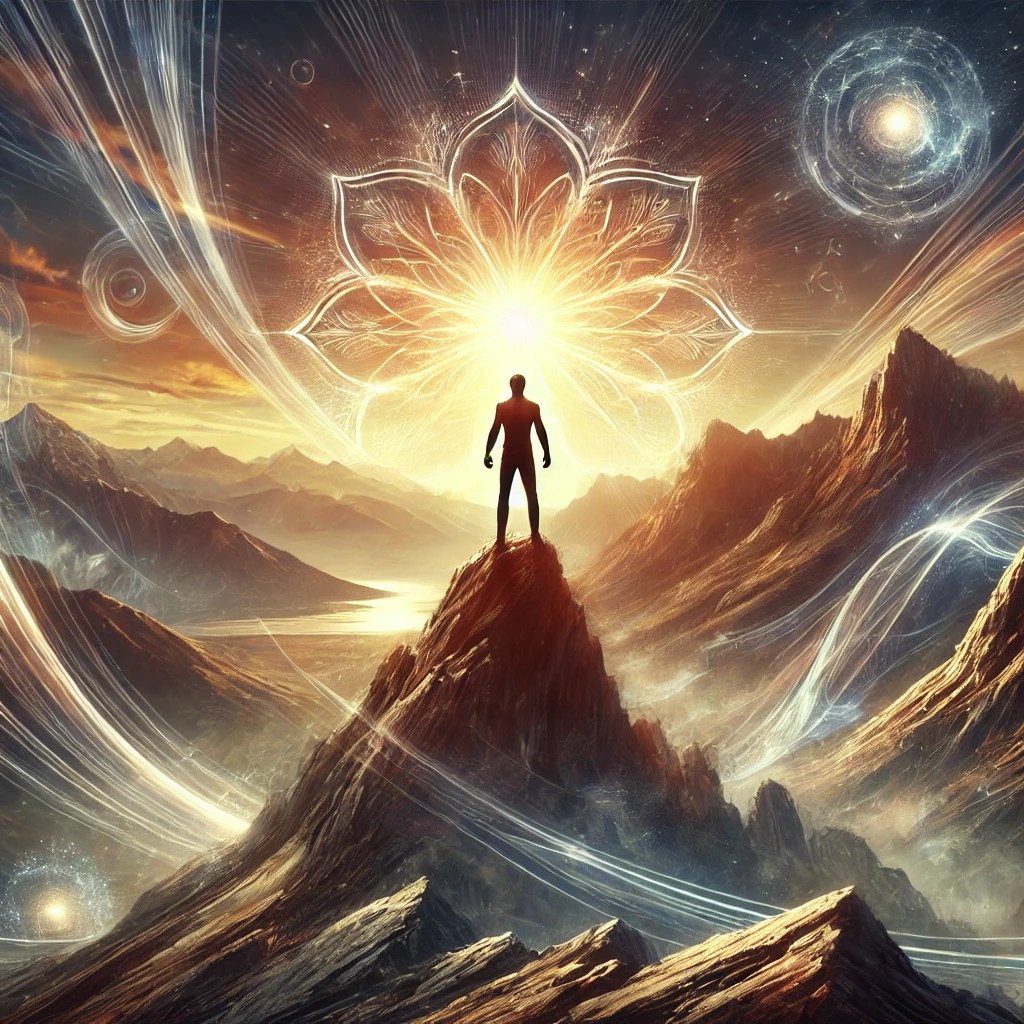
In the pursuit of personal freedom and genuine growth, one must first recognize the patterns of self-deception and dependence that often pervade human behavior. Men, in particular, can fall prey to the allure of validation-seeking, striving for approval from others at the cost of their own authenticity. This tendency undermines one’s capacity for true independence, as Marcus Aurelius reminds us: “It never ceases to amaze me: we all love ourselves more than other people, but care more about their opinion than our own.” To break this cycle, the individual must turn inward, taking responsibility for their own value and sense of self-worth, free from the influence of external judgment.
Once this self-reliance is established, a deeper understanding of masculine and feminine energies becomes essential for fostering healthy relationships and personal fulfillment. The delicate interplay between these energies is not a battle to be won but a dance to be mastered. Seneca’s wisdom echoes here: “We suffer more in imagination than in reality.” Misguided assumptions about dominance or submission cloud the reality that harmony between energies can only be achieved through mutual respect and presence. The individual’s growth hinges on their ability to embrace both challenge and balance, guiding their actions with a sense of purpose that transcends societal expectations.
Central to this journey is the realization that the highest good is not found in external validation but in the pursuit of one’s purpose. The notion that happiness or fulfillment is something to be gained from others is a fundamental error. Epictetus teaches us, “Wealth consists not in having great possessions, but in having few wants.” A man must align himself with his innermost values and desires, not the fleeting satisfaction of social approval. Only through this disciplined focus can he live with integrity, fully embodying his potential without compromising his core principles.
This path of growth is neither easy nor without pain. It requires an embrace of discomfort and the willingness to confront the barriers that hold one back. Challenges are inevitable, but they are also essential. Seneca advises, “Difficulties strengthen the mind, as labor does the body.” The individual’s strength lies in their resilience and ability to transform adversity into opportunity for deeper self-awareness and mastery. By leaning into discomfort and uncertainty, one evolves beyond the superficial comforts that others may cling to.
The pursuit of freedom in its truest form demands that one let go of illusions. To be truly free is to accept the limits of control over external circumstances while mastering the self. In this light, Epictetus’ maxim, “Man is disturbed not by things, but by the views he takes of them,” rings especially true. The path to freedom requires a reorientation of perspective, away from external dependencies and toward an internal locus of control. This shift liberates the individual, allowing them to live authentically, unburdened by the opinions or limitations imposed by others. Only then can one experience the profound and lasting freedom that comes from living in alignment with one’s true nature.


 Secønd Støic
Leave a comment