
Hardship is an unavoidable reality of life. It comes to you in countless forms, loss, failure, physical illness, emotional challenges, or the persistent uncertainty of the future. Many instinctively recoil from these experiences, viewing them as barriers to happiness or fulfillment. However, a deeper, more ancient perspective reveals that hardship is not something merely to endure but a critical element in shaping who you become. The ancient Stoics willingly engaged in hardships as a path to resilience, character, and inner tranquility. This idea, though centuries old, remains unchanged, just like the human condition. The only difference between their time and today lies in the externals.
Obstacles are never just impediments; they are opportunities. What he meant was that the challenges you face are not accidental; they are essential to your growth. Just as a muscle grows stronger through resistance, you grow through challenges of the mind and body.
“The impediment to action advances action. What stands in the way becomes the way.”
Marcus Aurelius
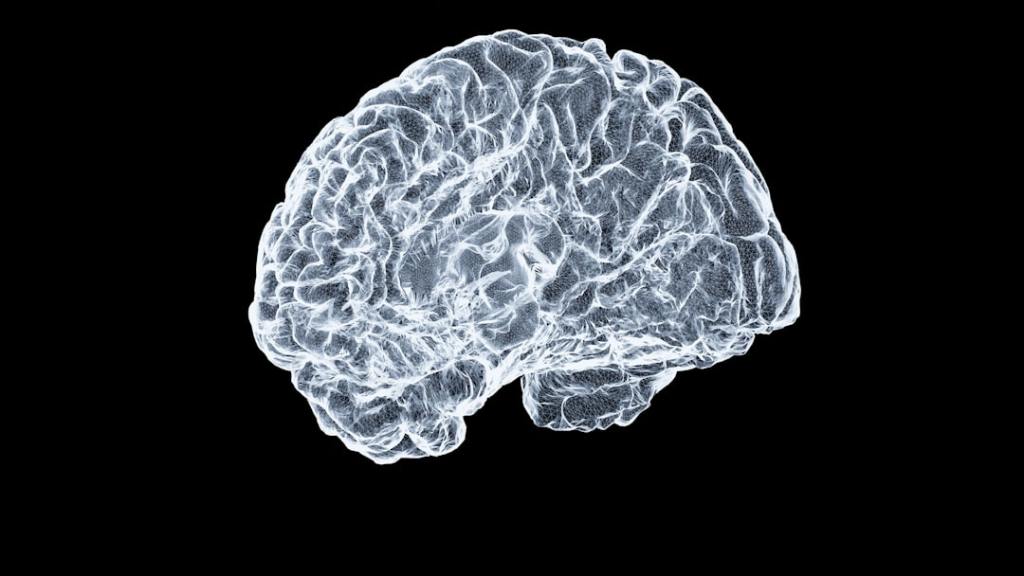
Modern science supports this ancient wisdom. Your brain’s ability to rewire itself in response to new experiences shows that hardship can reconfigure your mental frameworks in profoundly positive ways. When you deliberately place yourself in challenging situations, training for a marathon, tackling a difficult project, or even practicing public speaking despite a fear of it, you stimulate your brain to form new connections. Neurons that fire together, wire together. These experiences teach you to manage discomfort and adapt to future stress with acceptance and strength.
The Stoics took this concept further with the practice of voluntary discomfort. Epictetus and Seneca encouraged people to intentionally forgo comfort to strengthen their minds. This might involve fasting, sleeping on a simple bed, or enduring physical cold. The purpose wasn’t to glorify suffering but to train your mind to remain steady in the face of inevitable adversity. Today, this practice might look like stepping outside of your comfort zone by embracing physical challenges like rigorous exercise, engaging in difficult intellectual debates, or simplifying your lifestyle to generate gratitude and resilience.
Facing hardship isn’t just about becoming tougher, it’s about transforming into a person of greater depth and character. Viktor Frankl, a Holocaust survivor and psychiatrist, observed that people who found meaning in their suffering were more likely to endure unimaginable conditions. While you cannot always control what happens to you, you can always control how you respond. This ability to find purpose within difficulty mirrors the ancient emphasis on focusing on what is within your power—your thoughts, actions, and attitudes. By shifting your perspective on hardship, you transform it from an adversary into an ally. When you come upon hard times, or hard times come upon you, the goal is to accept them as they come, not display anger or resentment at their occurrence. Your ability to avoid hardship is as impossible as your ability to avoid breathing.
“When we are no longer able to change a situation, we are challenged to change ourselves.”
Viktor Frankl
Reframing your struggles has profound implications for how you experience them. The suffering you endure lies not in the actual circumstances but in how you interpret them. A professional setback, for instance, may feel catastrophic if viewed as a failure. Yet, seen through another lens, it becomes a stepping stone—an opportunity to reassess, recalibrate, and emerge stronger. Seneca wisely noted, “Difficulties strengthen the mind, as labor does the body.” In this way, every challenge, no matter how small or large, becomes a moment of transformation.
Failure is often seen as the definitive marker of inadequacy, a sign that you are incapable, ill-prepared, or simply unworthy. This perspective overlooks the essential role failure plays in the process of growth. Each misstep, every faltering attempt, is an invitation to learn and move forward with greater understanding. Failure, when viewed not as an endpoint but as a moment within a larger journey, becomes a powerful instructor. It strips away illusions of perfection, exposing the raw, authentic process of becoming stronger, wiser, and more capable. Walking the path becomes the goal, not the destination.
When you fail, you are forced to confront the reality of your limitations. This confrontation, while uncomfortable, is necessary for meaningful development. Recognizing what went wrong, whether it was a lapse in preparation, a miscalculation, or an external obstacle, gives you the insights needed to adapt. A climber who slips on a steep ascent doesn’t abandon the climb; they examine their grip, their footing, and their route, learning from each mistake to ensure the next attempt is steadier. Failure sharpens your awareness, refines your skills, and builds resilience in a way that unbroken success never could. You must fail to become a better version of yourself.
Failing also dismantles the fear that often holds you back. Fear of failure can paralyze you, leading to hesitation or avoidance of meaningful challenges. But to fail and recover proves that the imagined catastrophe is rarely as overwhelming as it seems. This realization fosters courage, a willingness to face uncertainty and take risks without being consumed by the possibility of defeat. Repeated failures, and the growth they bring, create confidence in your ability to persevere through hardships.
Failure, too, is a gateway to humility. Success alone can breed arrogance, a false sense of invincibility that blinds you to your flaws and keeps you from connecting with others. Failure breaks down those walls. It connects you to others who have faced similar setbacks, fostering empathy and mutual understanding. Failure not only shapes you but strengthens the bonds of human connection, reminding you that the journey of life, with all its stumbles, is never walked alone.
“We suffer more often in imagination than in reality.”
Seneca
Preparation is a crucial element in navigating hardship. The practice of negative visualization, imagining worst-case scenarios, allows you to mentally prepare for potential difficulties. By vividly picturing potential losses or challenges, you strip these situations of their power to overwhelm you. This doesn’t mean dwelling on fears but rather using the exercise to understand that even the worst outcomes are often survivable and manageable. If you can imagine surviving the waves, you will.
Hardship teaches you empathy and perspective. By experiencing discomfort or adversity, you become better equipped to understand and connect with others who face similar challenges. Seneca reflected on the lives of the less fortunate, encouraging those with privilege to consider the struggles of those without. Today, this might involve volunteering, reading stories of hardship, or simply walking alongside someone in a difficult time. It’s not enough to experience your own challenges; at times, helping others through theirs allows you to overcome hardship by proxy.
Hardship requires you to develop a disciplined relationship with the present moment. Many of the difficulties you face are compounded by your tendency to dwell on past mistakes or fear future uncertainties. Focusing on the present, specifically on what you can do now, helps anchor your mind and equips you to handle life’s challenges. By letting go of regret and anxiety, you accomplish more in the here and now.
The purpose of engaging with hardship, intentionally or as it comes, is to reach a state of inner stability. This state isn’t achieved by avoiding struggles but by understanding that they are essential to your development. Confronting adversity and dismantling its power over you helps you gain confidence in your ability to navigate life’s inevitable uncertainties.
“You have power over your mind, not outside events. Realize this, and you will find strength.”
Marcus Aurelius
Hardship, far from being your enemy, is one of the most reliable instructors you will ever encounter. Embrace it willingly and thoughtfully, and you will walk a path of growth, wisdom, and ultimate peace.





 Secønd Støic
Leave a comment