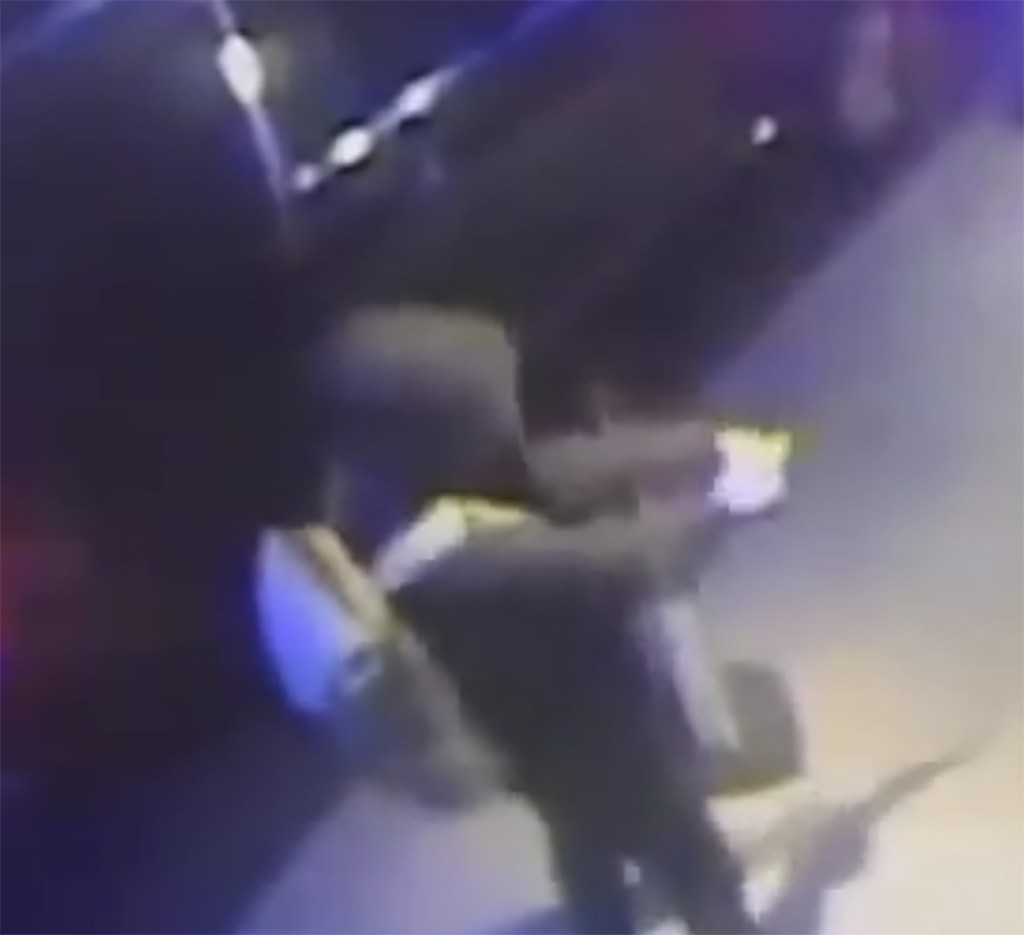
Reports state that Brian Thompson was assassinated at approximately 6:45 AM today outside the New York Hilton. In the hours since the incident, numerous materials have been released to the public, including video footage, photographs, and other relevant information, fueling widespread discussion and speculation. While I have no direct involvement or privileged knowledge of the event or its investigation, my observations of the video and surrounding context have prompted some thoughts and considerations about the incident.
The assassination took place just outside of the Hilton’s side entrance.

The suspect emerged from behind two vehicles, paused briefly, and fired a single shot, hitting the victim in the left thigh from an approximate distance of six feet. As the victim stumbled and turned to look back, the suspect stepped forward and fired again, this time from a distance of about five yards. The suspect then approached the victim and fired a final shot while continuing to move, briefly checked the scene, crossed the street, and jogged away. It is presumed that the victim was fatally wounded by this point.
At the 7-8 second mark in the above video, there is a puff of smoke from the rear of the pistol:
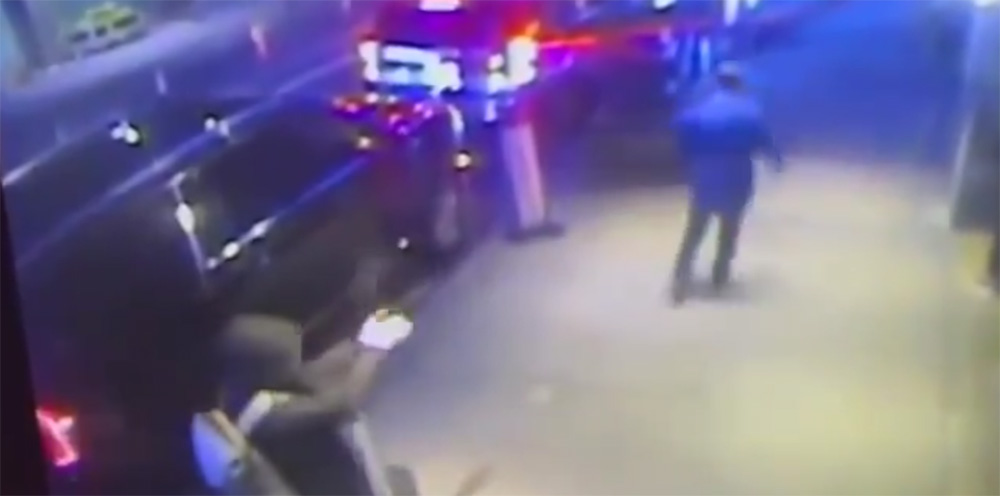
After rewatching the video several times, it becomes clear that the suspect’s pistol did not cycle, meaning the pressure was insufficient to push the slide all the way back to eject the 9mm round. The suspect immediately racks the gun.
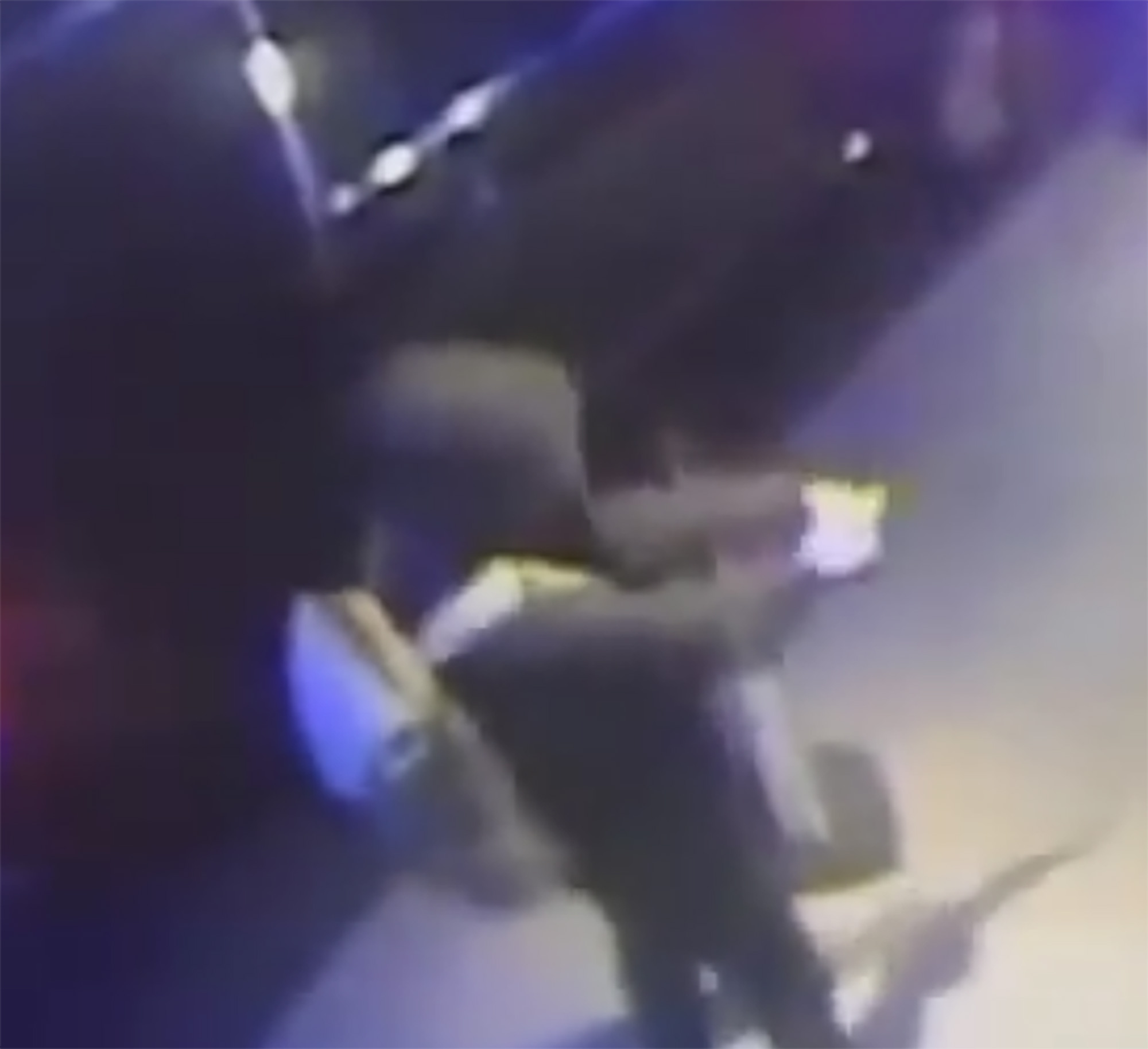
The suspect uses a full grip on the slide, rather than a slingshot-style grip, to rack the pistol. This suggests the firearm has a slide mechanism that can be manually operated. The visible movement of the suspect’s entire hand during this action indicates it is likely a semi-automatic pistol, potentially chambered in 9mm. While the exact make and model cannot be determined from the video, the design and handling are consistent with a Glock-style pistol.
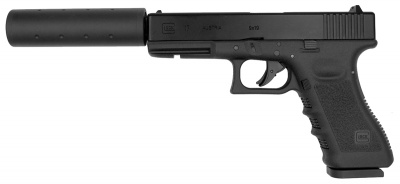
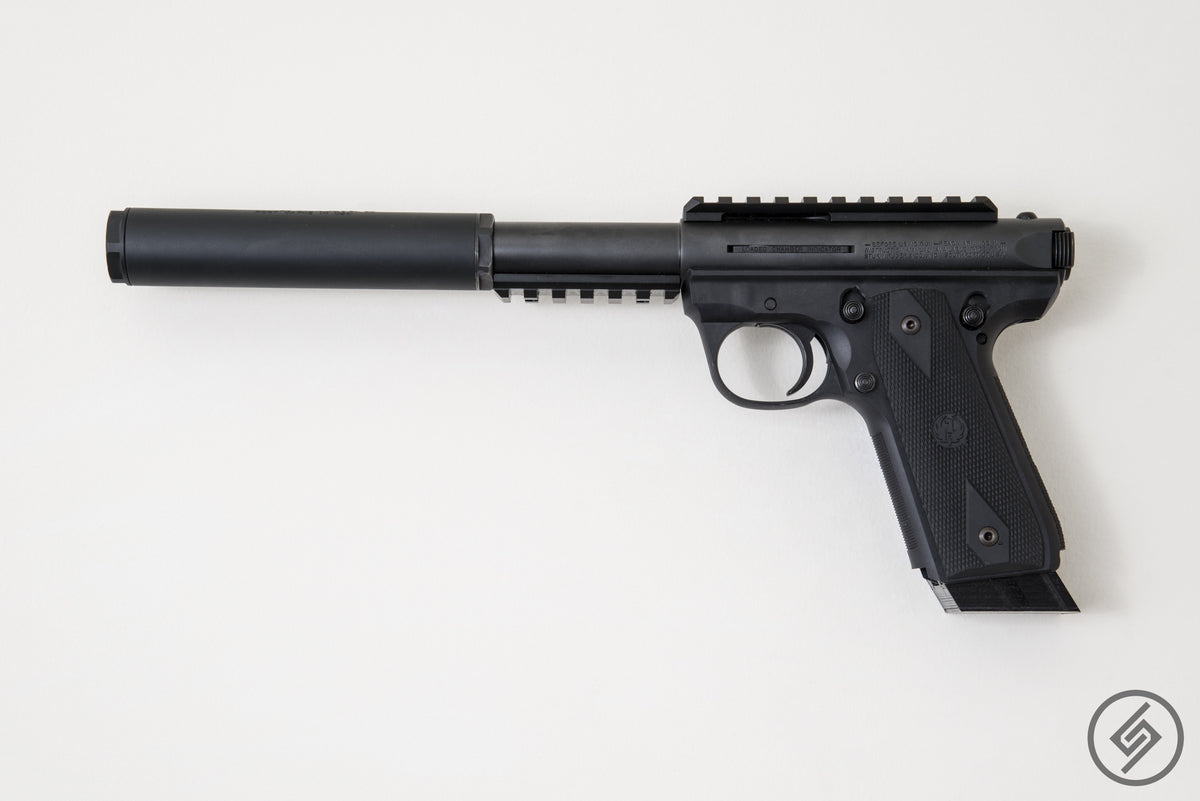
The smoke observed from the rear of the pistol likely resulted from a failure to eject the spent 9mm casing. This issue can arise from various factors, but a common cause is the absence of a suppressor booster. Suppressor boosters, or Nielsen devices, are essential for recoil-operated semi-automatic pistols, such as most 9mm handguns, as they temporarily decouple the suppressor’s weight from the barrel during firing. By using a spring-loaded piston mechanism, these devices allow the barrel to cycle freely while preserving the suppressor’s function. Without a booster, the added suppressor weight can interfere with proper cycling, especially when using low-recoil, and or sub-sonic 147gr or 158gr ammunition, although barrel length, pistol design, and ammunition type are also significant variables.
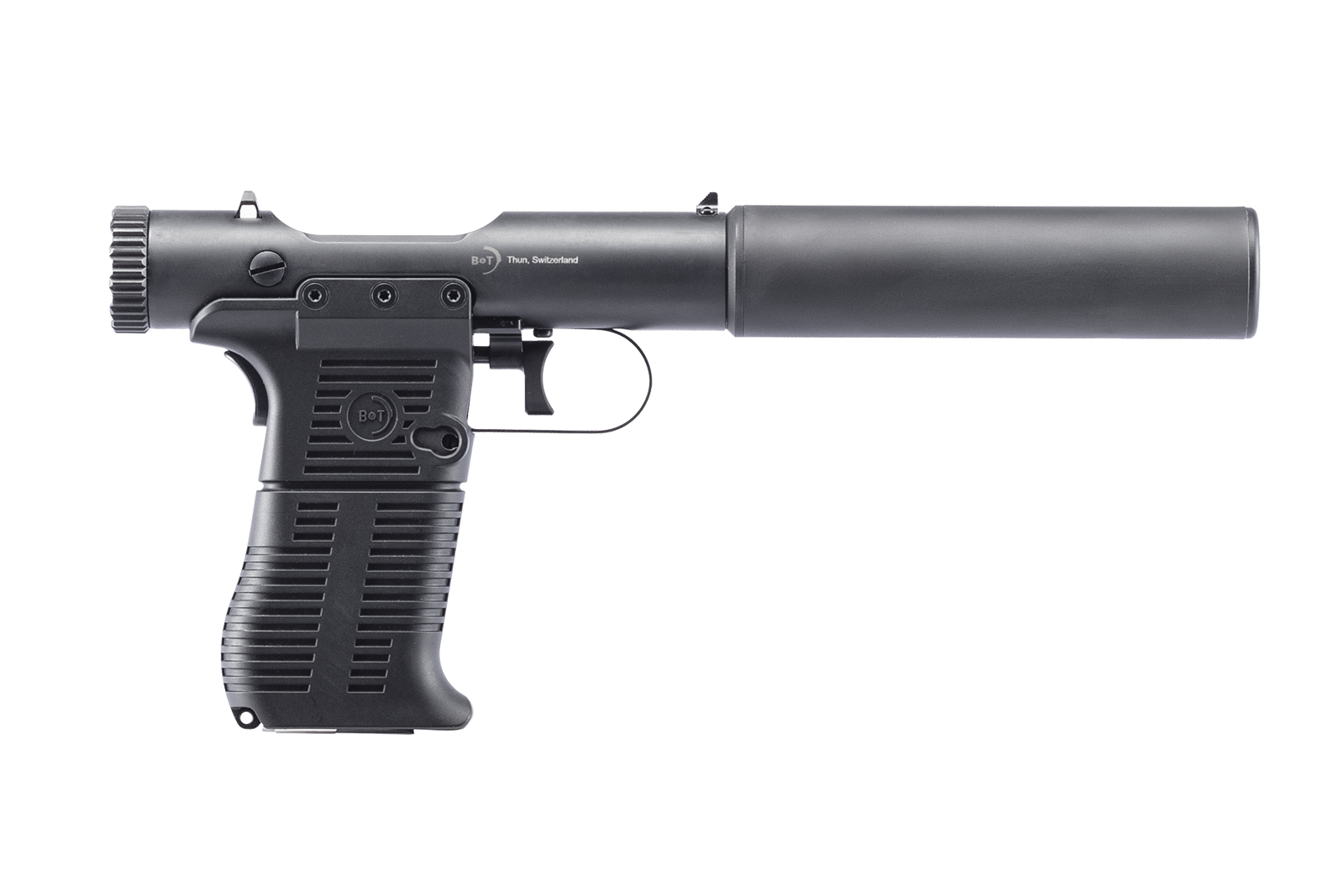
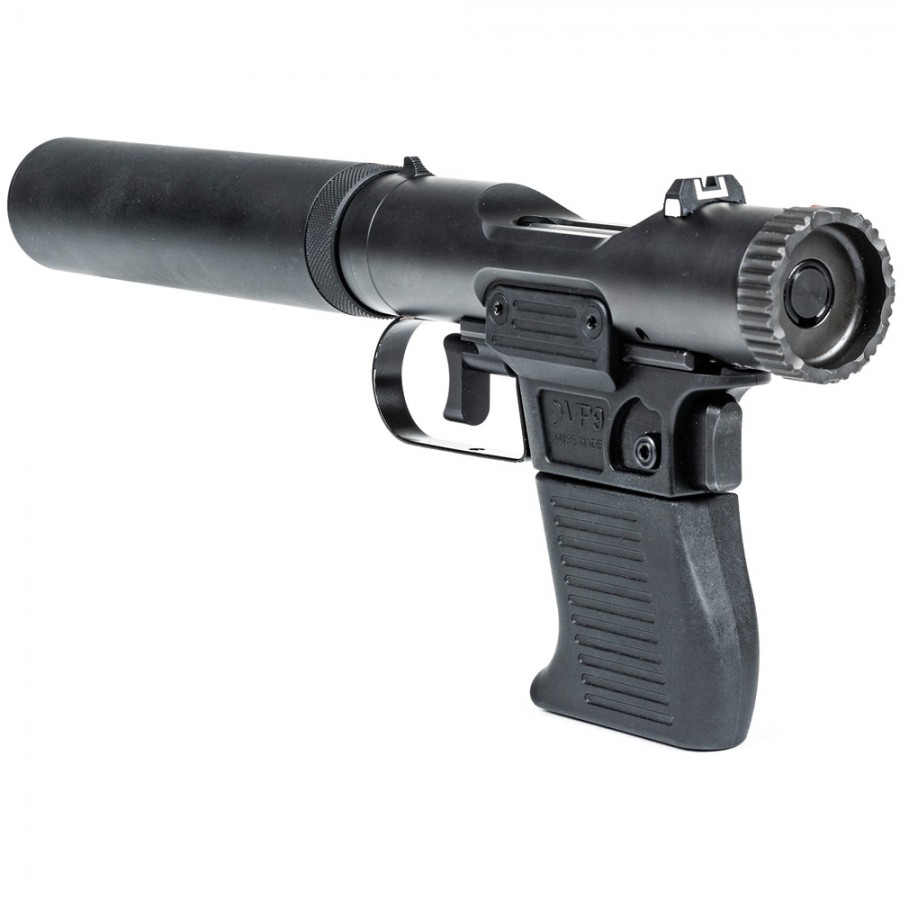
There has been significant speculation about the type of pistol used, with the B&T StationSix and VP9 suppressed pistols suggested as possibilities. Both of these pistols use a bolt-style racking mechanism that requires the user to twist a circular rear grip to eject a round, which does not match the actions observed in the video. Furthermore, the StationSix costs over $2,000, and the VP9 exceeds $4,000 while being subject to heavy regulation, making them unlikely choices. Glock-style pistols are far more common, affordable, and modular, making them a more probable option given their accessibility and ease of assembly by a knowledgeable individual.
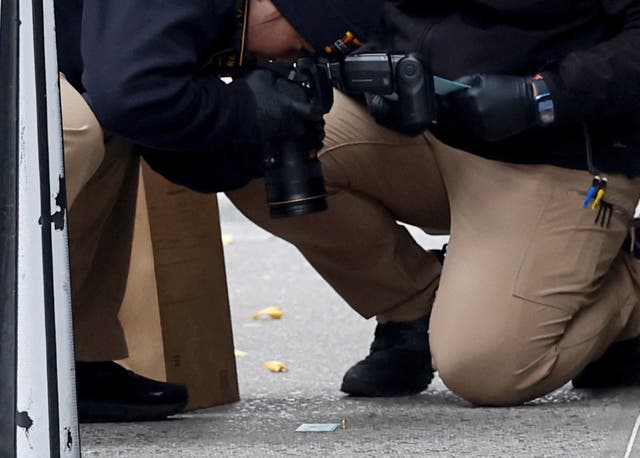
Various news outlets are reporting that 3 live 9mm rounds and 3 9mm shells were found at the scene. This would be consistent with the video. The NYPD forensics lab will be able to tell what kind of ammunition was used, and likely what type of pistol was used.
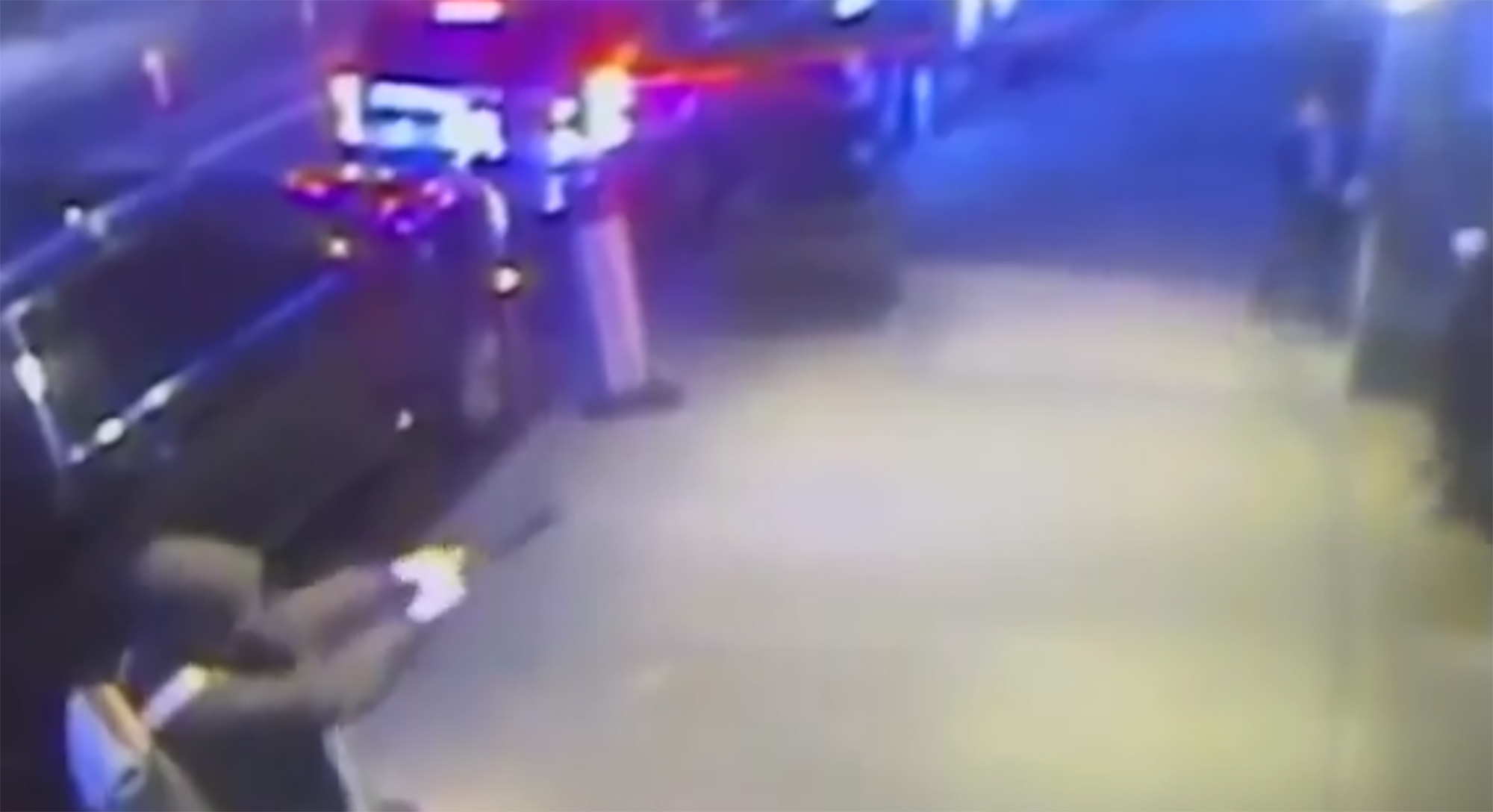
The still image from the video, taken around the nine-second mark, shows the suspect racking his pistol while the victim clutches their left hip area. The initial shot was not intended to immediately incapacitate but to disable, distract, and disorient. The targeted area, likely the hip or femur, was strategically chosen as it serves a multi-purpose role. Potentially severing critical functions (hitting a switch), starting significant blood loss if an artery was struck (starting a timer), and immobilizing the victim to prevent escape. This calculated shot created both time and opportunity for the suspect to move closer and deliver a final, fatal shot. The precise aim and intentionality observed, along with the nearly one-second focus on the initial target area, strongly suggest a level of professionalism.

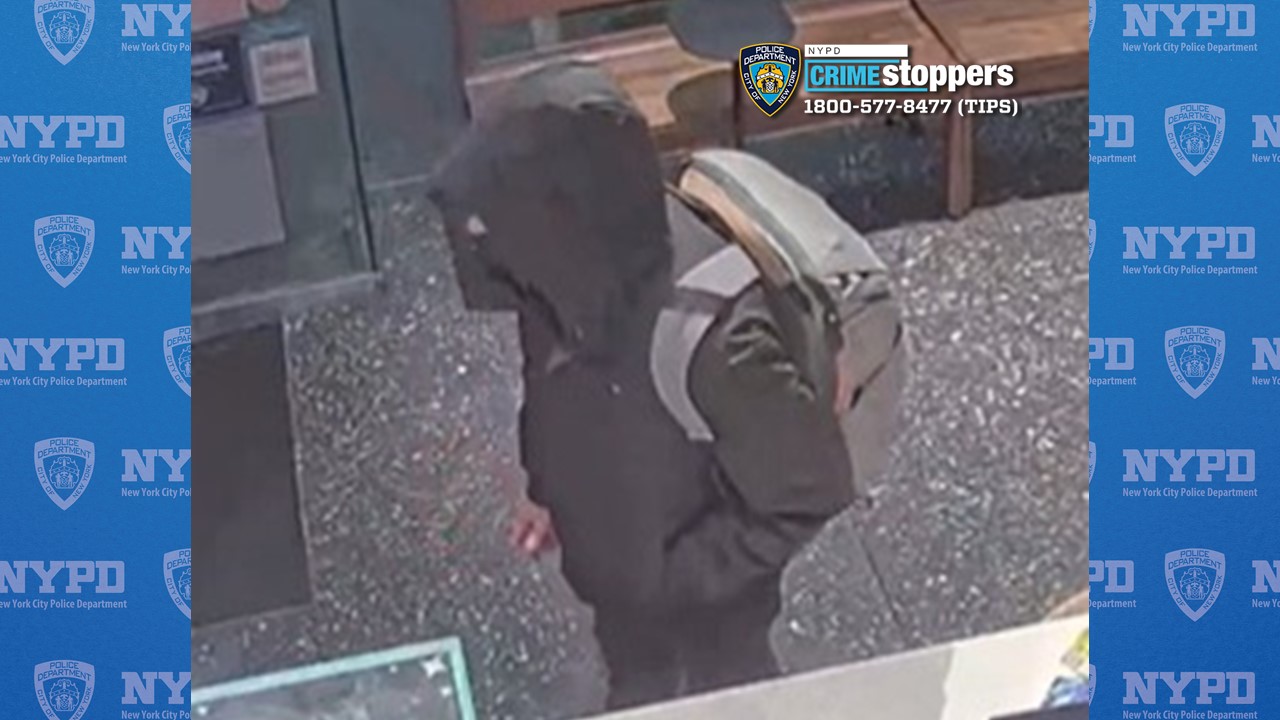
If you see this person, a person that may match the description, or have any supporting information please contact the NYPD. Murder cannot be tolerated in a civil society.




 Secønd Støic
Leave a comment