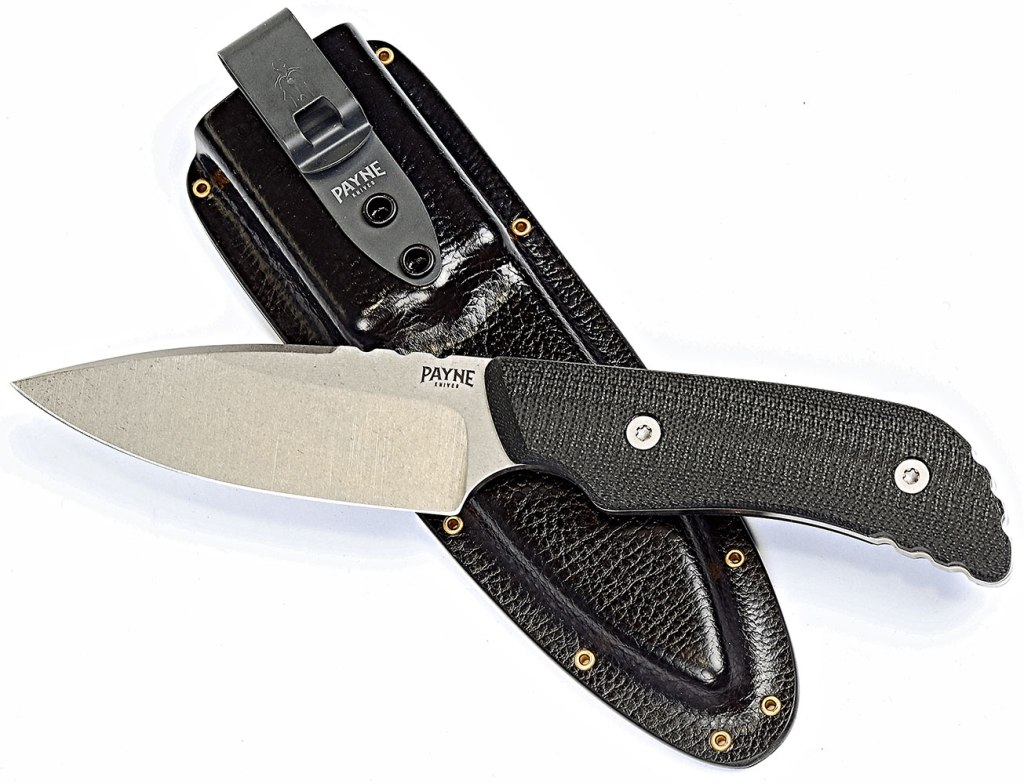

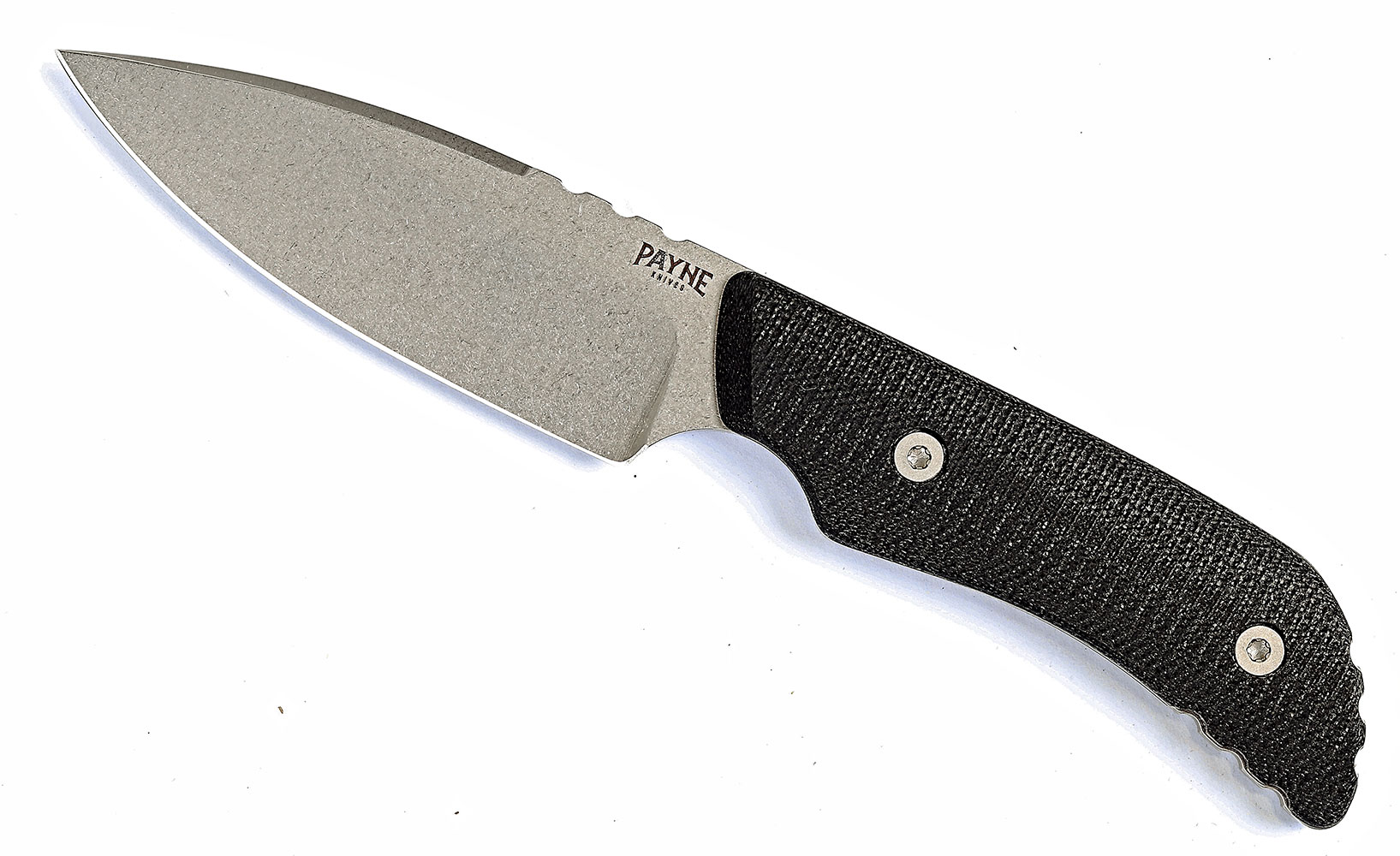
The Recourse by PayneKnives.com was developed with a singular objective: maximize functional utility across multiple environments such as EDC, occupational use, and real world applications, without introducing excess or compromise, in a very detailed oriented way. The result is a bespoke style blade that has a lot of attractive features that someone who wants a really nice blade would want to have, while maintaining a more luxury feeling blade design.
Dimensional Priorities
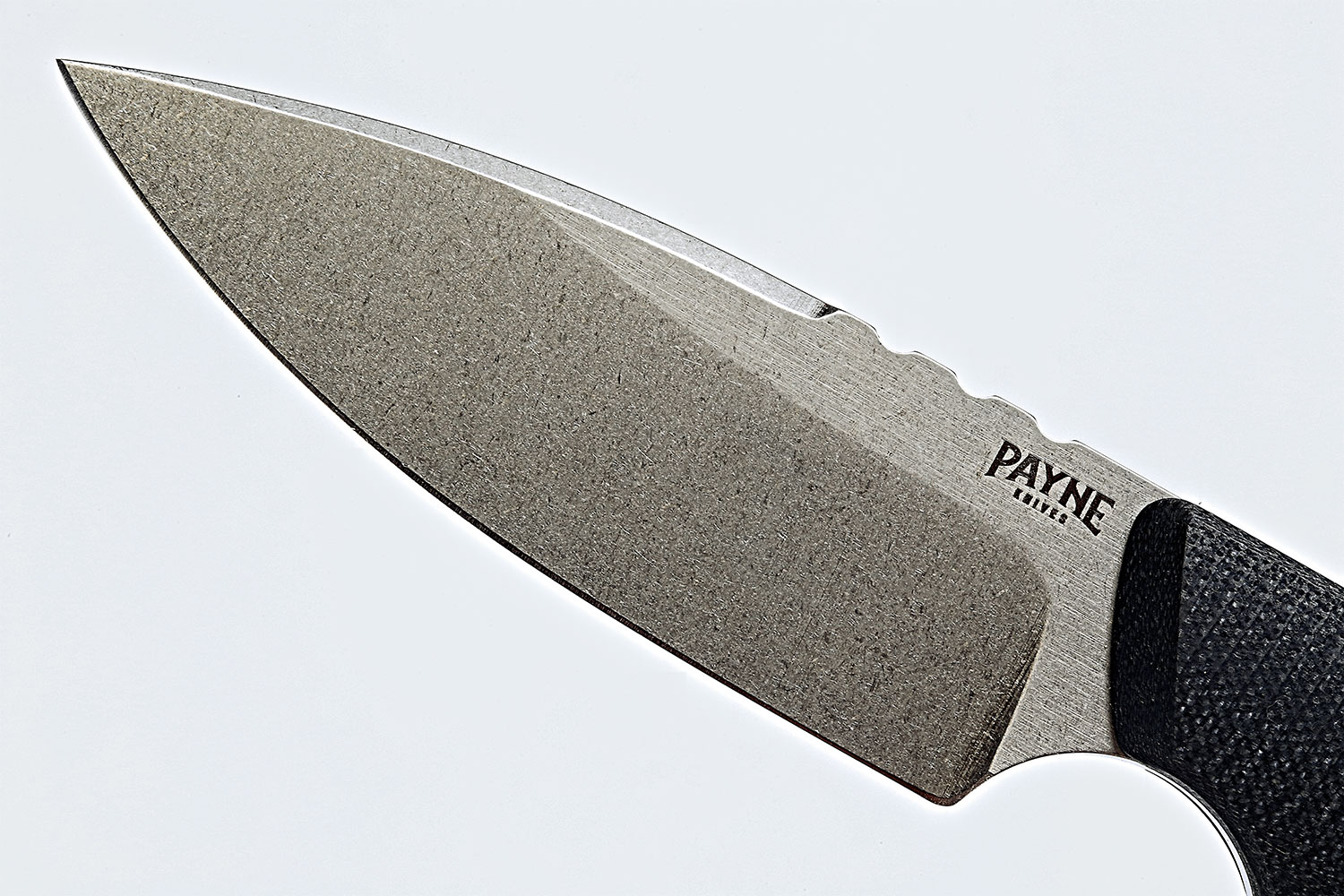
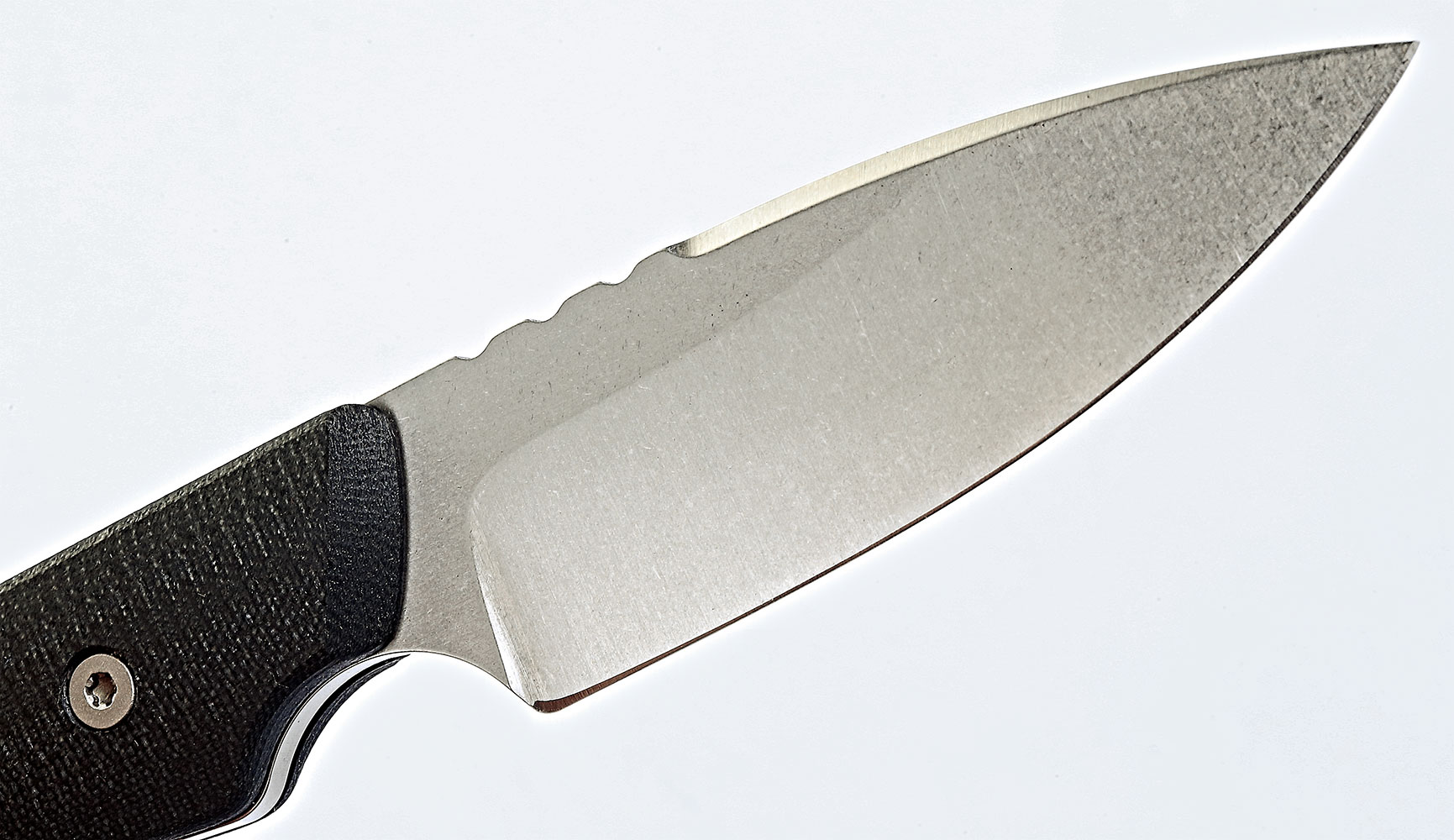
A blade length in the 3″–3.5″ range was non-negotiable. This threshold represents the minimum viable length for anatomical penetration in real world use, while remaining legal and concealable in most jurisdictions. Any shorter sacrifices task efficacy, any longer hinders pocket integration. The overall profile was constrained to ensure pocket compatibility while still permitting a full four-finger grip, no reliance on extended scales or choils to “fake” hand placement.
Ergonomic Architecture
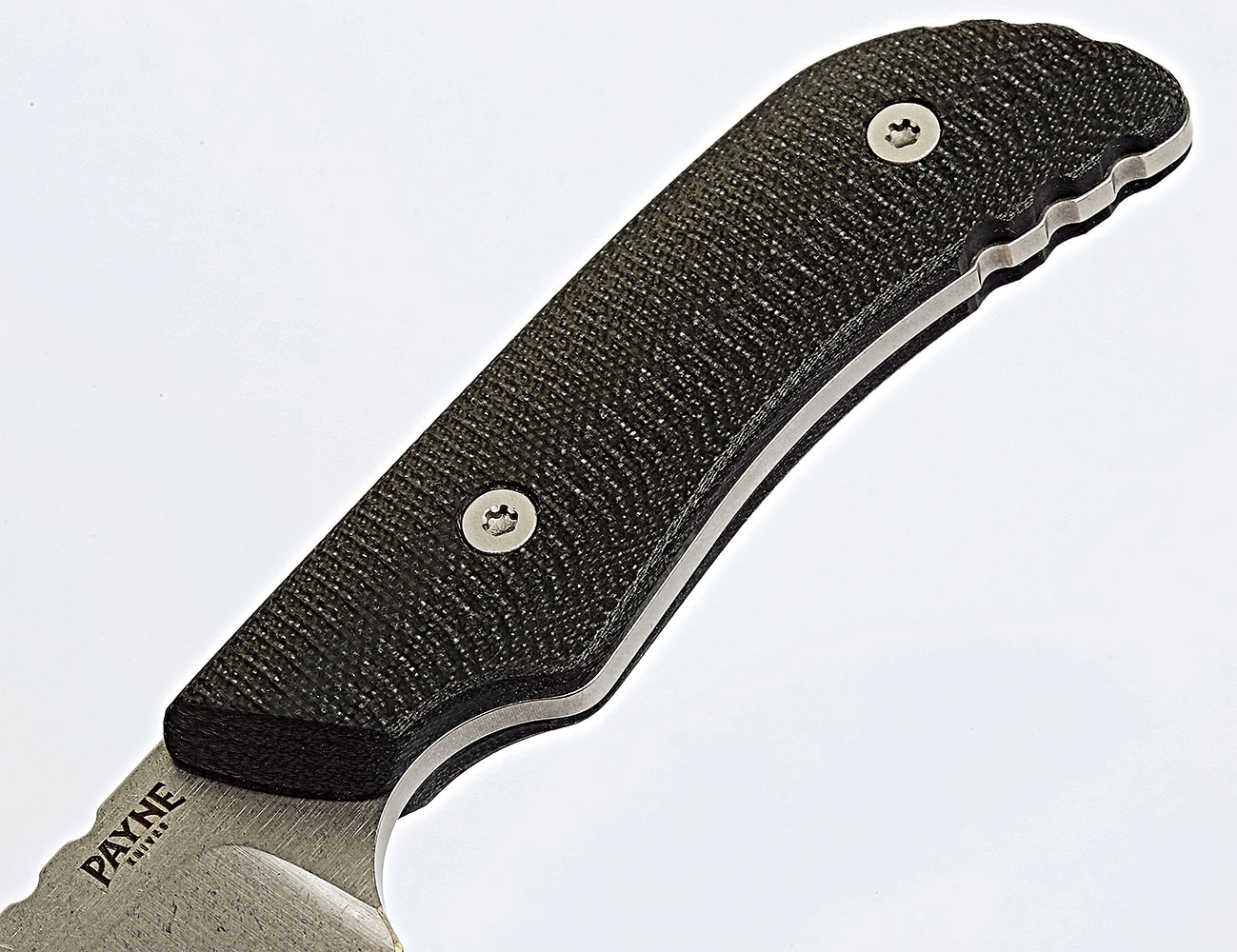
The grip architecture consists of contoured G10 scales with a balanced texture profile: aggressive enough for traction under duress, but smooth enough to avoid abrasion during repeated carry, this is part of the “fits all” types of design the Recourse blade was designed with. This negates the need for gloves and minimizes wear on clothing. Jimping is placed for leverage under both standard and reverse/overhand grip conditions, and a finger notch is incorporated to prevent grip slippage without resorting to external hooks or protrusions that could inhibit draw speed or snag on garments. This is a good feature most pocket carry fixed blades should have.
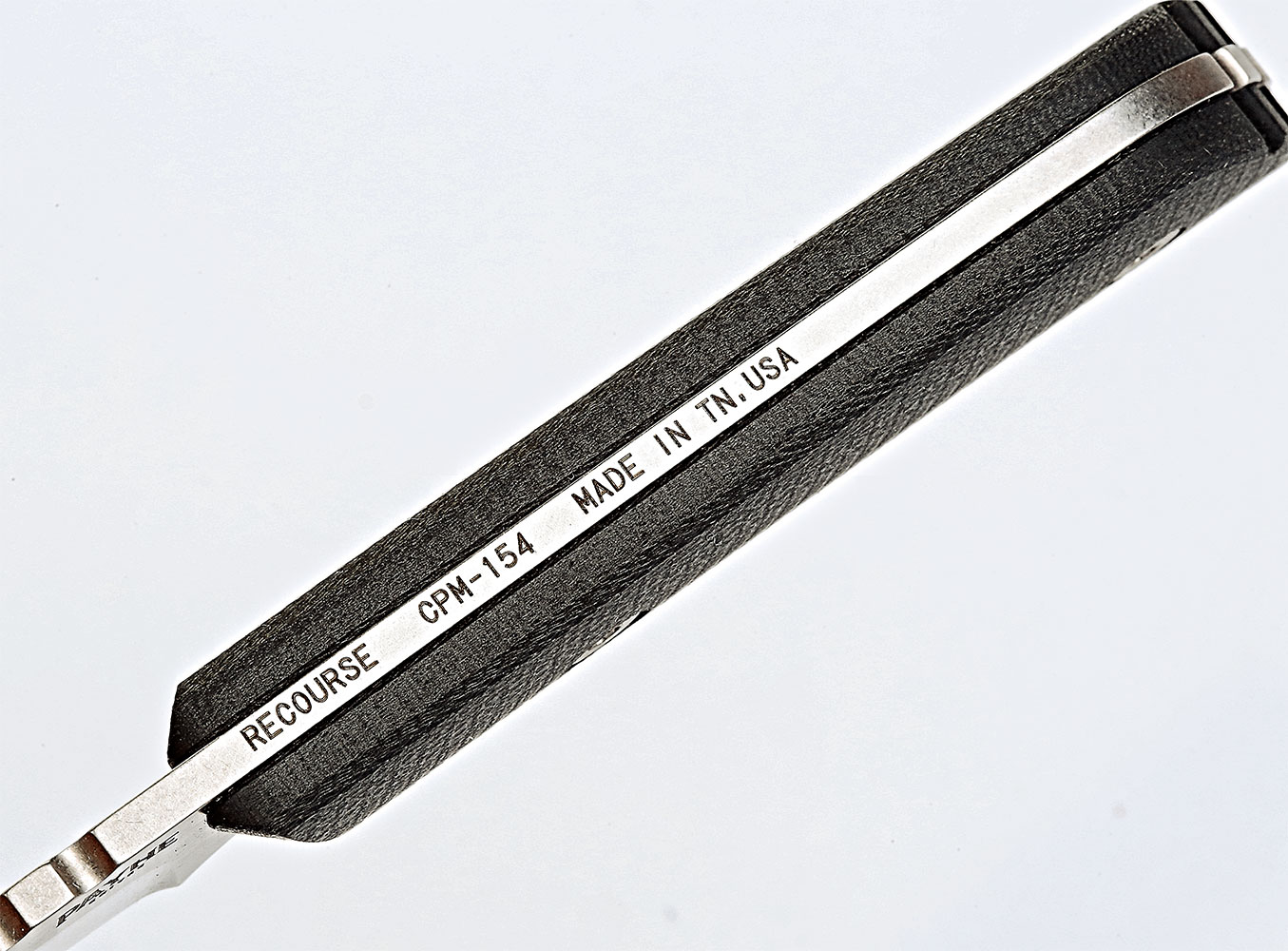
Metallurgical and Maintenance Parameters
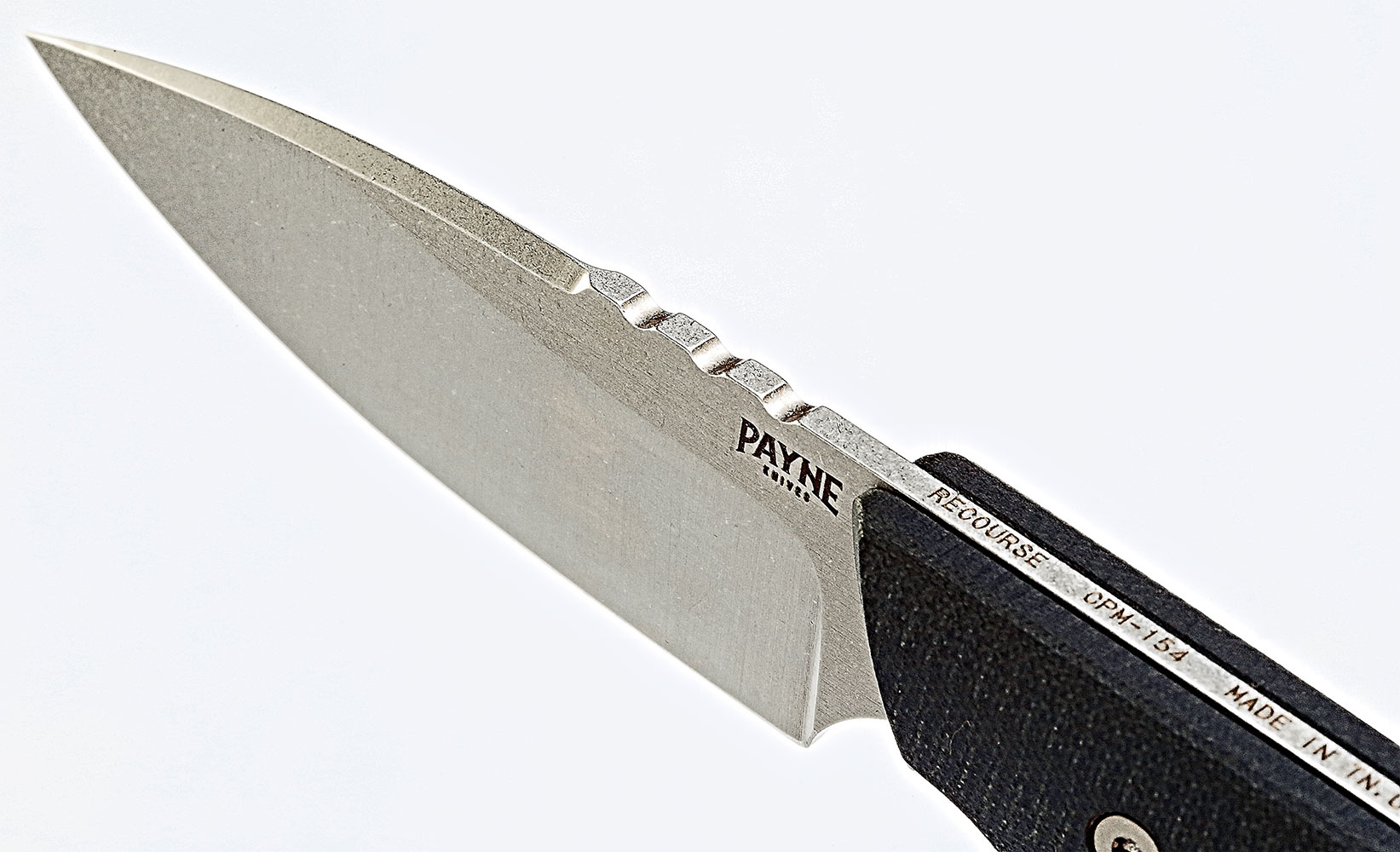
Blade steel is stainless, selected to reduce maintenance burden in uncontrolled environments. The edge geometry is optimized for general utility, and the swedge is unsharpened by design although enhancing penetration without introducing dual-edge liability or compromising re-sheathing safety. The point profile is a centered spear-point, offering balanced thrust and slice mechanics without specializing to the detriment of broader use cases. Remember that the Recourse is designed with “all use” in mind and not just one specific design purpose.

Sheath System
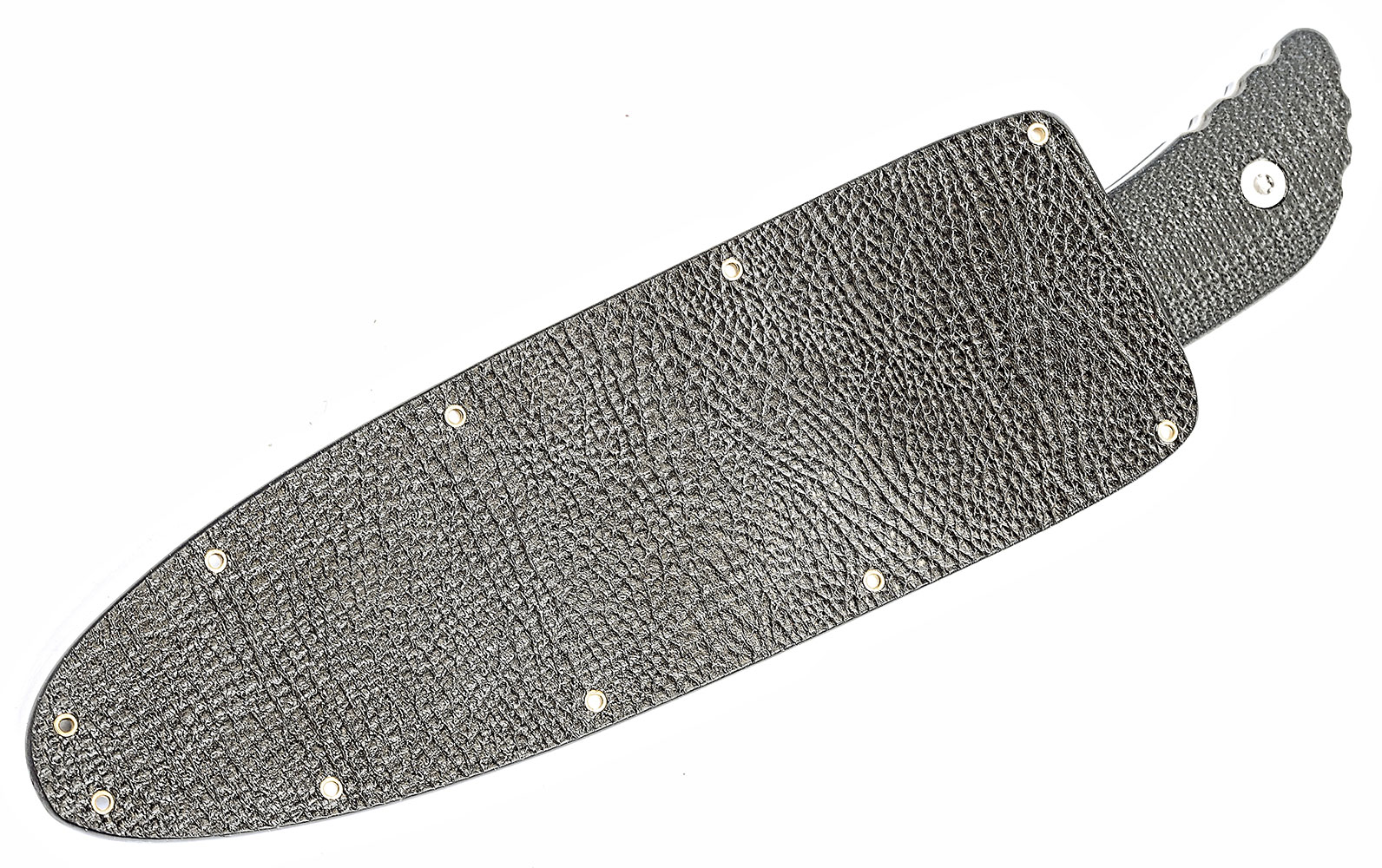
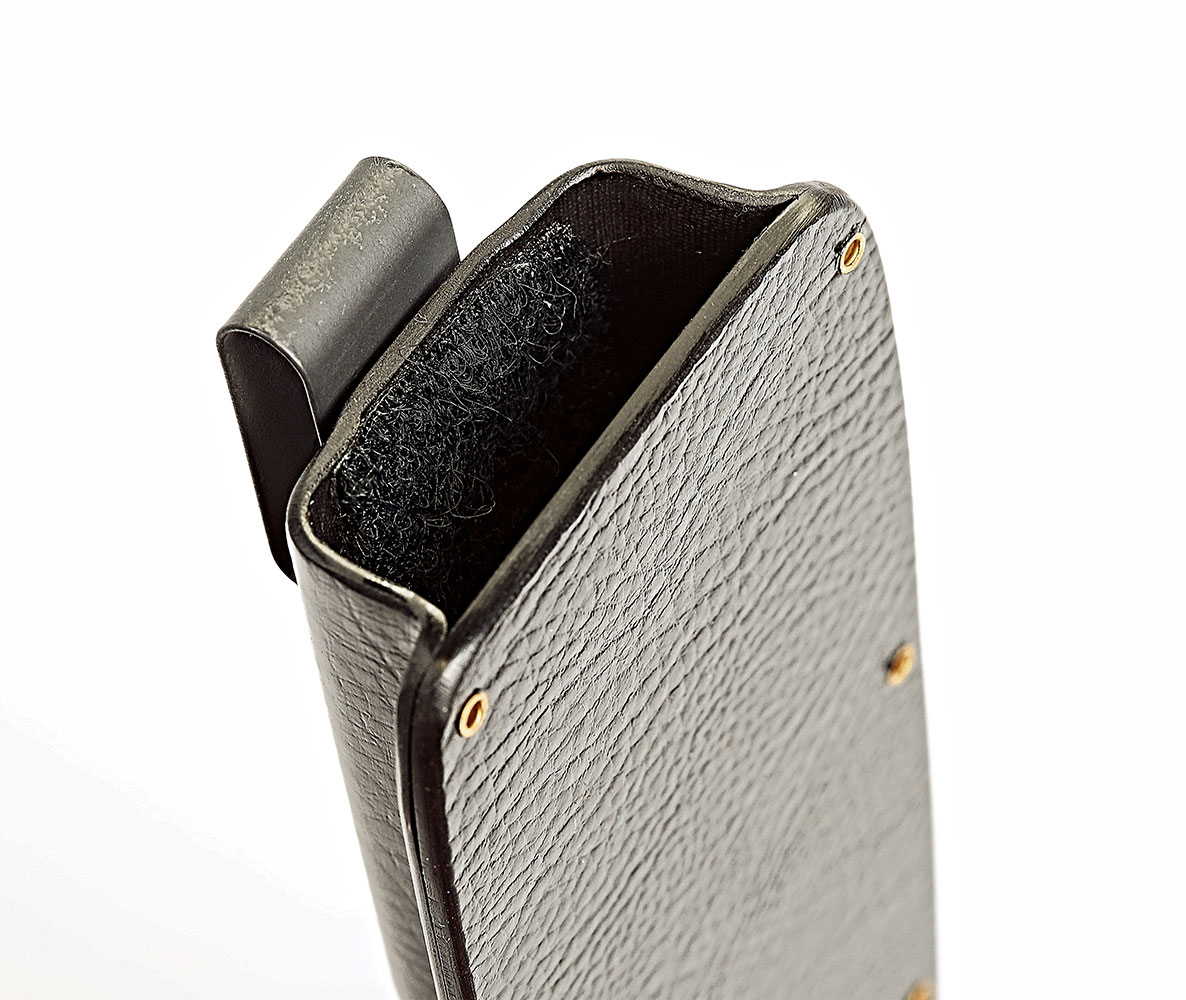
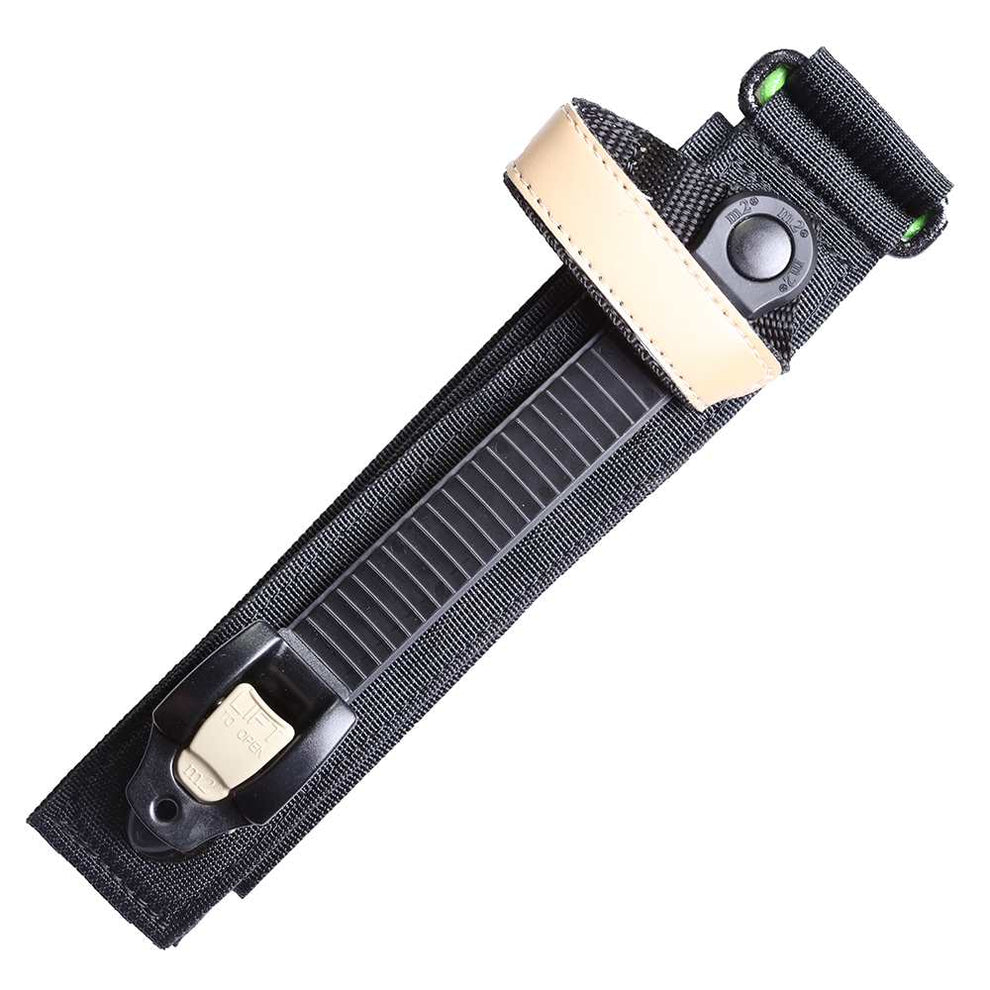
The sheath is deep-carry and friction-retained. Fit is intentionally tight to account for break-in although immediate retention security is prioritized over short-term convenience. Re-sheathing is linear and does not require visual confirmation, minimizing fumble potential under stress. Concealment is passive, no secondary active retention systems are present to slow deployment. While there is no traditional touch point to resheath the blade without looking, it can be done with some practice. A future design modification in the sheath may be necessary for this end but is not a requirement for most applications.

Market Position, Redundancy, and Standout Uniqueness
This knife does not attempt novelty for its own sake. It exists in a saturated category where most “innovations” introduce impractical trade-offs. The Recourse adheres to first-principle constraints: reliability, discretion, and steel efficiency. Cost was kept at an accessible level to maximize deployment across varied user bases. The feature set is plentiful and very robust, with a Discreet Carry Concept clip, a premium (custom) blade sheath molding and material with low profile rivets, the blade itself made from CPM-154 which is known for its excellent edge retention, corrosion resistance, and toughness. Spear point profiling is a preference across the industry, not just for real world use, but for general use across various applications. The Recourse balances aggressive design with real world daily use, which is not something seen in most blades of this design, which is to say it’s design was mindfully done to cover many different aspects of use, not just for one purpose.
Who Would Want a Recourse
The Recourse is not decorative. It is not experimental. It is a reductionist, utilitarian tool engineered to be carried, ignored until needed, and then function without hesitation. Created in an “executive” styled application of bespoke blade design, it has a lot of potential and definitely looks the part of a far more expensive blade. It can be used in various real world circumstances effectively, and the fact that this is a new blade from a respected designer based in the US, working with US-only materials should be a big deal considering a lot of other blades are not. The future of this blade is open as it may get alternative scale designs, various sheathing options, and more custom “drops” as time goes on and it gains in popularity. There are a lot of blades out there, this one checks the majority of the boxes and looks really good while doing it. If you’re interested, head over to PayneKnives.com and grab one.




 Secønd Støic
Leave a comment